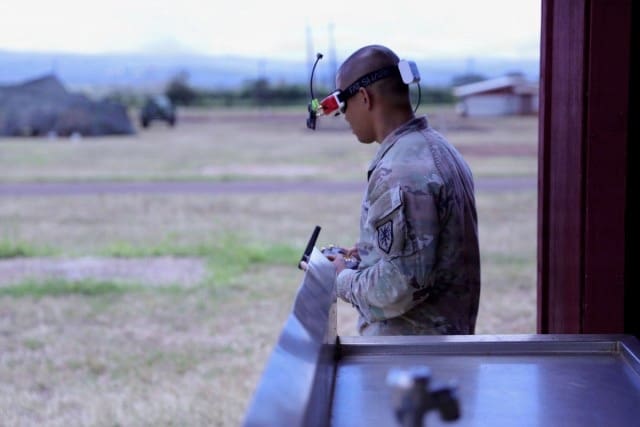
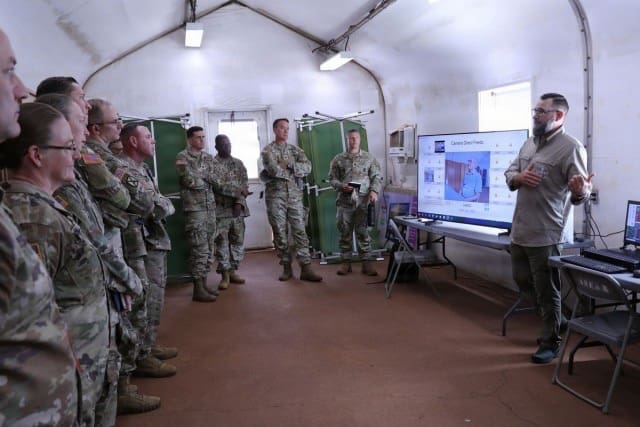
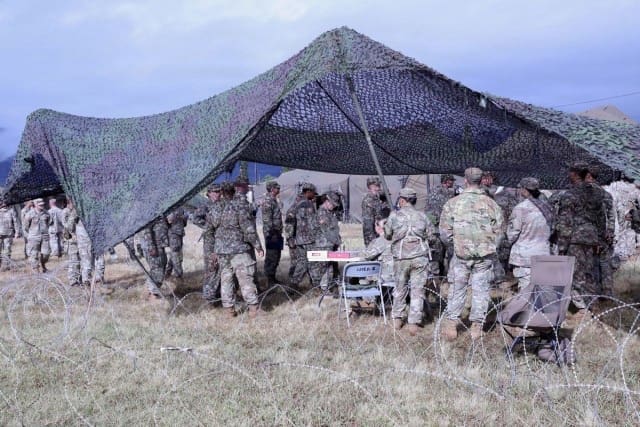
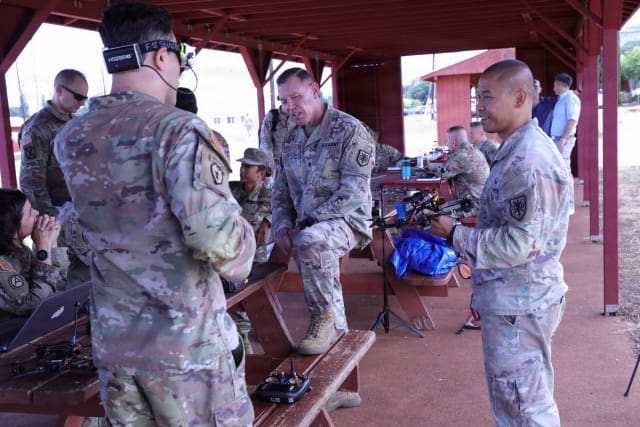
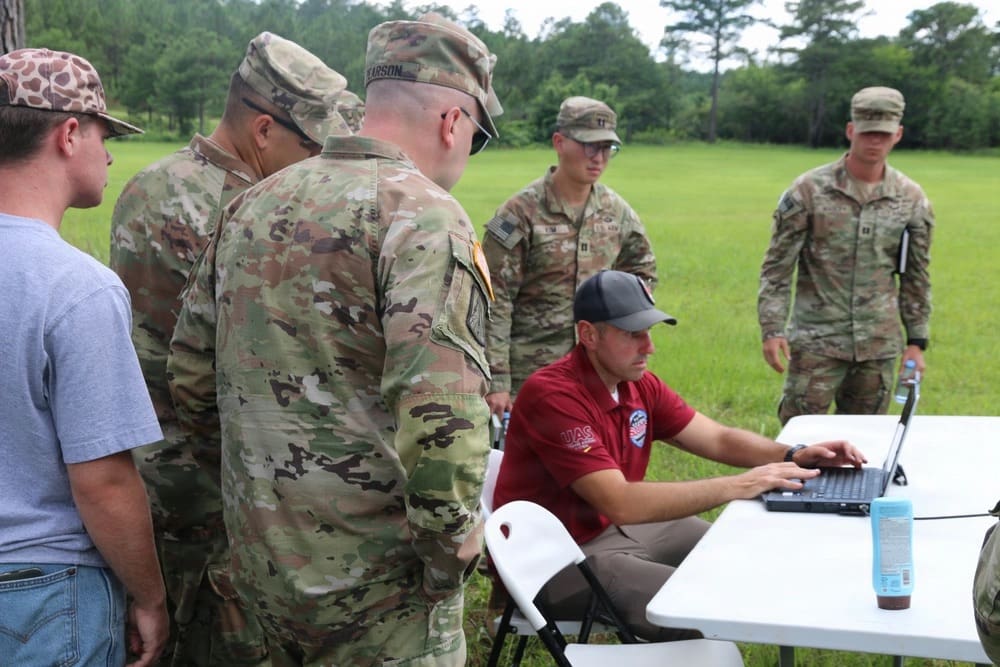
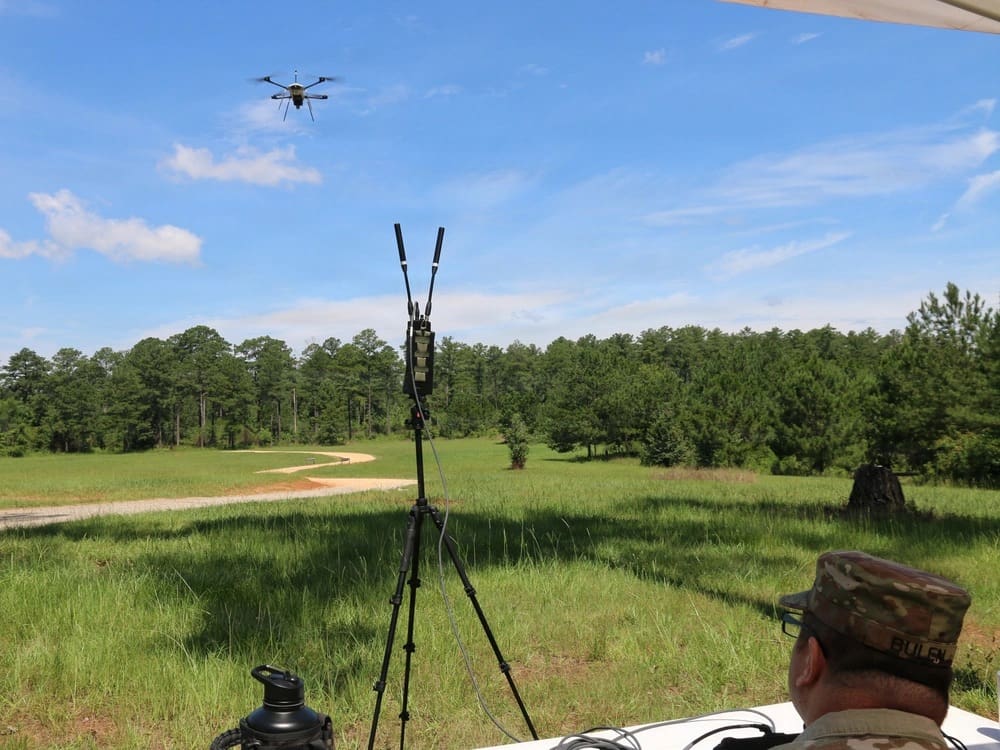
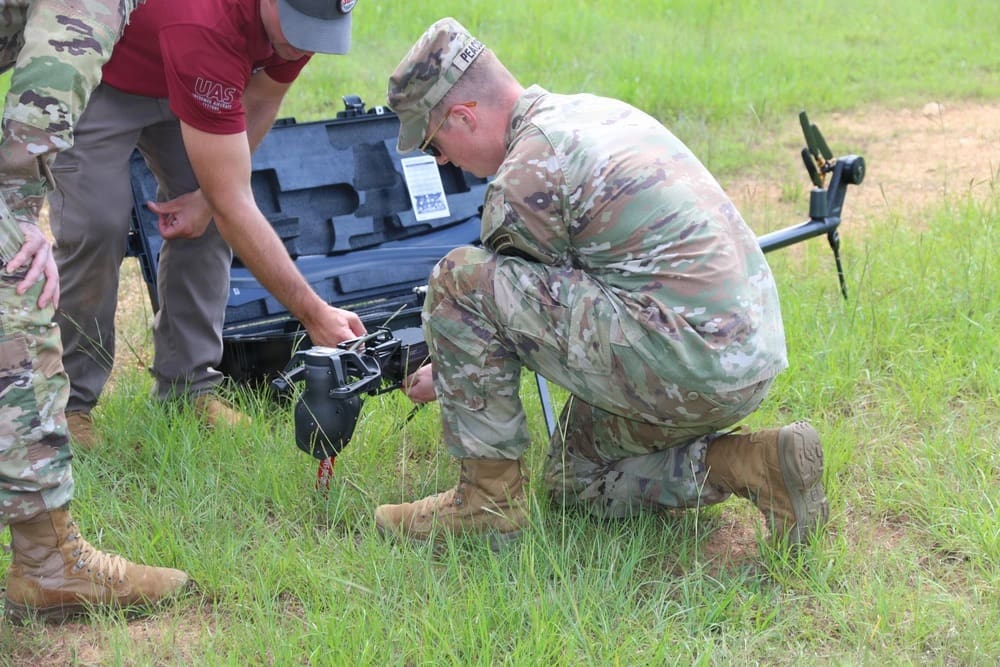
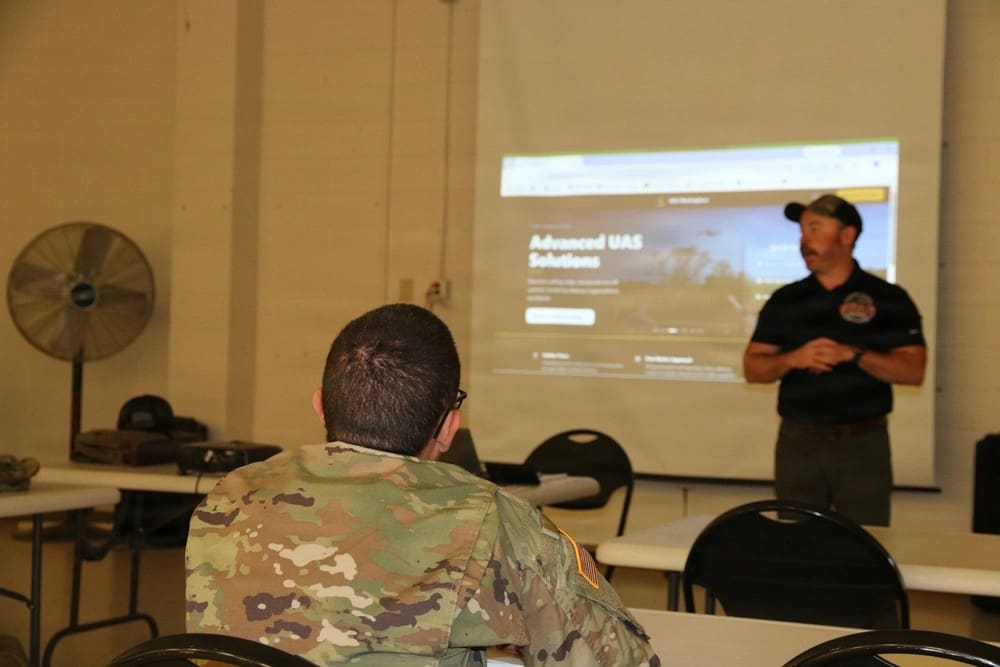
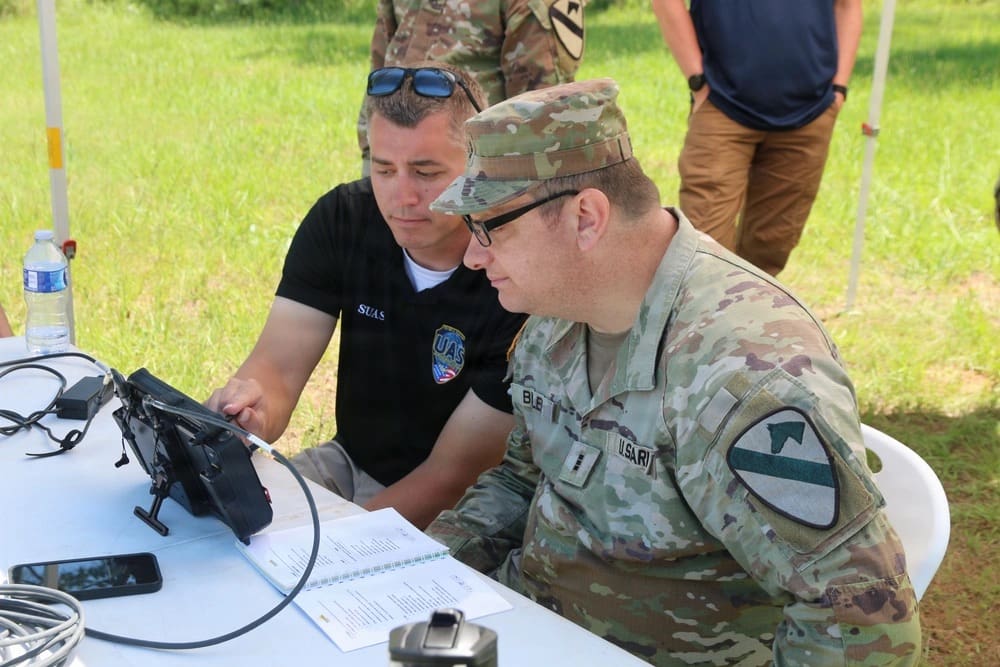
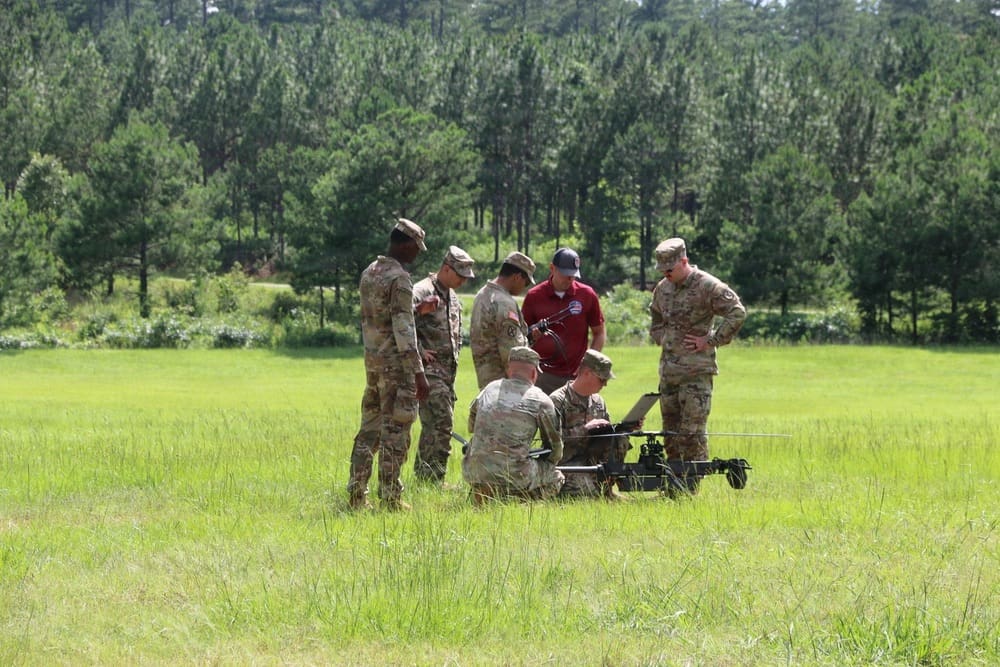
WASHINGTON — The Joint Interagency Task Force 401 (JIATF-401) hosted an Industry Day, bringing together representatives from industry and government partners to discuss collaboration and accelerate the development of counter-small Unmanned Aerial Systems (c-sUAS) capabilities at the Hilton Alexandria Mark Center, Alexandria, Va., on March 5, 2026.
The event provided a forum for JIATF-401 leadership to outline the organization’s mission, priorities and acquisition approaches while allowing industry partners to engage directly with government stakeholders on emerging technology and operational needs.
“I want you to know what we’re doing to make your products accessible to our customers and what we’re doing to expand that customer base so we can get greater depth in our industrial base,” said U.S. Army Brig. Gen. Matt Ross, Director, JIATF-401.
Ross highlighted how the accessibility and low cost of small unmanned systems have changed the security environment. Systems that were once limited are now widely available, allowing smaller groups or individuals to operate capabilities which previously required significant resources.
“What they’re concerned about is the proliferation of small unmanned systems that are inexpensive and give capability that was previously reserved for state adversaries to small groups and individuals,” Ross continued. “It’s not a new thing, but if you give them the ability to conduct some type of attack without fear of attribution or accountability, that changes the paradigm.”
He emphasized that industry feedback is necessary to address gaps in current systems and improve how c-sUAS technologies are integrated across the Department of War and interagency partners. He noted that companies frequently ask what standards or protocols their systems must meet to integrate with existing c-sUAS ecosystems.
“One of the things we want to do is change the way the department is thinking about counter-sUAS,” Ross said. “One of the ways we can incorrectly think about the problem is in how we manage risk or how we accomplish the mission. Instead of defeating the threat of a system, we have to think about the broader problem.”
This shift in thinking requires focusing on operational outcomes, rather than simply targeting individual systems and countering-small unmanned aircraft. It requires understanding how those platforms are used and how they enable broader mission effects. The growing complexity of the threat environment means there is no single system capable of addressing every scenario. Instead, organizations must rely on a layered approach that combines different capabilities to detect, track and defeat unmanned systems.
“I’m not asking for a 100 percent solution to defeat every drone – the silver bullet,” Ross concluded. “What we need is a layered defense: awareness, different capabilities and an ecosystem that works together so we can defeat threats consistently.”
Ross mentioned that continued collaboration between government and industry will be essential to developing those layered defenses and ensuring effective integration of c-sUAS technologies, supporting our warfighters at home and abroad.
By SGT Tien Dat Ngo
You can skip to the end and leave a response. Pinging is currently not allowed.
]]>
WASHINGTON — The U.S. Army today announced the launch of Project ARIA, or Army Rapid Implementation of Artificial Intelligence, an Army initiative that harnesses AI to modernize Army operations and empower Soldiers.
Project ARIA addresses critical Army challenges by partnering with leading technology companies to develop practical AI solutions that deliver real results for warfighters.
“Through Project ARIA, we are building the Army of tomorrow, today,” said Deputy Under Secretary of the Army David R. Fitzgerald. “By working with the nation’s top minds in artificial intelligence, we are rapidly developing and deploying smart tools that empower our Soldiers, streamline our operations, and ensure our readiness for any challenge.”
Three Teams, Three Solutions
The initiative launched following a successful AI tabletop exercise hosted by Secretary of the Army Hon. Daniel P. Driscoll on Sept. 16, 2025, where Army leaders collaborated directly with AI experts to tackle real operational problems. Project ARIA is initially focused on three key areas:
Team Gray is creating agentic AI tools to automate the Army’s complex planning, programming, budgeting, and execution, or PPBE, process. The new tools will enable Army leaders to make faster, better-informed decisions and free up Soldiers and civilians to focus on core missions rather than paperwork.
Team Black is developing a “model armory” to serve all operational levels, from datacenters to the tactical edge. Soldiers query based on their needs, and the system delivers custom AI capabilities ready to operate in denied environments.
Team Yellowstone is using AI to revolutionize supply chain management, starting at Anniston Army Depot. The AI agent will predict equipment maintenance needs and ensure parts are available before problems occur, reducing vehicle downtime.
“Project ARIA is about delivering real capabilities, not endless development cycles,” Fitzgerald added. “This initiative is designed for speed and agility, ensuring we get cutting-edge technology into the hands of our Soldiers as quickly as possible.”
A New Approach to Innovation
Project ARIA represents a fundamental shift in how the Army develops and deploys technology. By partnering directly with top AI firms, the Army is delivering solutions in months rather than years.
“Project ARIA is a testament to the power of collaboration between the Army and the nation’s leading innovators in artificial intelligence,” said Fitzgerald. “By breaking down barriers and fostering agile partnerships with industry, we are accelerating the development and deployment of cutting-edge solutions. Together, we are building an Army that is smarter, faster, and more capable than ever before.”
The initiative focuses on removing administrative burdens from Soldiers so they can concentrate on training, readiness, and mission execution. By automating time-consuming processes, Project ARIA will enhance both operational effective and quality of life for service members.
As the Army continues to evolve to meet modern challenges, Project ARIA represents a commitment to leveraging the latest technology to ensure operational readiness and effectiveness. Project ARIA also demonstrates to industry experts that the Army is prepared and open to collaborate to harness best practices and technological breakthroughs. The initiative positions the Army as a leader in military AI applications while ensuring Soldiers have the best tools available to accomplish their missions.
By U.S. Army Public Affairs
You can skip to the end and leave a response. Pinging is currently not allowed.
]]>
Reptilia has announced the release of the ROF
-90 for ACRO / MPS (36mm) alongside the introduction of the 6-Slot RMU
Mount in Flat Dark Earth (FDE), expanding the company’s lineup of precision optic mounting solutions.
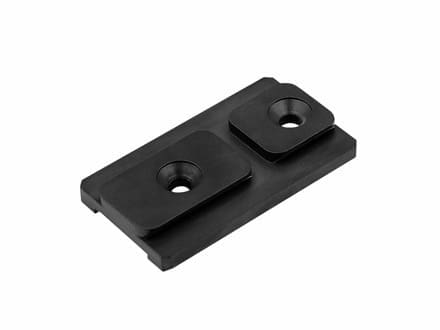
The ROF-90 is a purpose-built mounting interface designed to integrate a compact red dot directly into a magnified optic setup. Positioned at the 12 o’clock orientation relative to the primary optic, the ROF-90 allows shooters to instantly transition to a secondary sighting system while maintaining a streamlined, mission-focused optic layout.
Developed in response to end-user demand, the ROF-90 supports the Aimpoint ACRO P1, Aimpoint ACRO P2, and the Steiner MPS optics and is compatible with Reptilia AUS
36mm mounts and Geissele Super Precision
36mm mounts.
The configuration enables rapid engagement at close range, passive night vision aiming, or other specialized operational applications while maintaining a streamlined optic configuration. Each ROF
mount positions the auxiliary optic as close to the host scope’s centerline as possible, minimizing offset while preserving sufficient clearance for an unobstructed sight picture.
Reptilia also announced the availability of the 6-Slot RMU
Mount in Flat Dark Earth, expanding the finish options for the mounting system originally developed at the request of a Department of Defense customer.
The RMU Mount is designed to elevate fixed-height optics such as the EOTech holographic sight line, the Vortex AMG UH-1, and the SIG Sauer ROMEO8T by 0.625 inches, providing improved ergonomics when using helmet-borne night vision systems or when adopting a more upright shooting stance.
Machined from billet 7075-T6 aluminum and finished with MIL-STD Type III hardcoat anodizing, the RMU Mount attaches to any M1913 Picatinny rail. Its spring-loaded nitrided steel clamp and mounting bolt sit flush with the body of the mount, creating a low-profile, anti-snag interface.
Both the ROF-90 and RMU Mount are manufactured in the United States from billet 7075-T6 aluminum and backed by a lifetime warranty against manufacturer defects.
SHOP NOW – reptiliacorp.com
Both comments and pings are currently closed.
]]>

Five-year agreement will provide JIOP with commercial range services at the Oak Grove Test & Training Center in Hoffman, NC.
RALEIGH, N.C., March 10, 2026 — Oak Grove Technologies (OGT) today announces it has been awarded a five-year contract by the Lieutenant General Gavin Joint Innovation Outpost (JIOP) for the use of their multi-domain Test & Training Center in Hoffman, NC.
Under the agreement, OGT will provide commercial range services, realistic training environments, and associated subject matter expertise in support of the U.S. Army’s Joint Innovation Outpost and other authorized Government users.
JIOP operates as a collaborative center that links tactical and operational challenges with rapid, innovative solutions. Bringing together military personnel, academia, and industry, the hub fosters joint efforts to solve problems encountered on the modern battlefield.
“We are proud to support JIOP’s mission through this contract and look forward to contributing to the collaborative efforts that drive innovative solutions for today’s evolving operational challenges.” said Cody Baker, Chief Growth Officer at OGT.
OGT’s Test & Training Center provides a unique environment designed to support testing, training, and demonstration of emerging capabilities across land, water, cyber, and space domains. The facility offers a wide range of purpose-built structures, waterways, and realistic operational settings that enable government and industry partners to rapidly evaluate technologies and tactics in complex, mission-relevant environments. Through partnerships like this agreement with JIOP, OGT continues to advance collaborative innovation that strengthens readiness and supports the evolving needs of the U.S. military.
Both comments and pings are currently closed.
]]>

WASHINGTON — Leaders from the 2nd Cavalry Regiment (2CR) presented the story of America’s only permanently stationed Stryker brigade in Europe during an event at the Pentagon, Arlington, Va., on March 6, 2026. This event was part of the Army Current Operations Engagement Tour (ACOET), where 2CR leaders emphasized how the brigade is evolving to address modern threats along NATO’s Eastern Flank.
Throughout a series of meetings with senior Pentagon leaders, members of Congress and their staff, and national security reporters, the leaders from 2CR explained how the regiment is applying lessons learned from Ukraine. They discussed how they are leveraging industry partnerships and testing new capabilities to enhance deterrence and improve warfighting readiness in Europe.
Col. Donald R. Neal Jr., Regimental Commander, explained how 2CR’s transformation efforts were influenced by experiences training Ukrainian soldiers who were returning from and preparing for combat.
“Our unit begins by training Ukrainians in Europe who have recently come off the front lines, and we engage with them directly,” Col. Neal said. “During the training, we learned a lot about their use of what we refer to as the triad: Unmanned Aerial Systems (UAS), counter-UAS operations, electronic warfare, and the network that enables all of it.”
The interactions provided insight into integrating unmanned aerial systems, electronic warfare, and networks with maneuver on the battlefield. These lessons helped the regiment identify areas for adaptation within our formations.
“We realized that they had some really good foundational skills in employing these new systems, and their recent experience using them to enhance maneuver in combat operations was something that we could learn from,” Col. Neal said.
The regiment has applied lessons learned from experimentation efforts such as Project Flytrap. This initiative brings together soldiers, industry representatives, and Army acquisition professionals to test counter-unmanned aerial systems in real-world conditions. The program allows soldiers to assess new technology in operational scenarios and provide direct feedback to both vendors and acquisition officials.
“It takes the development of new capability out of the lab, and it really puts it in the field,” Col. Neal said. “You’re getting soldier feedback, the people who will actually use the equipment, giving feedback directly to vendors and the acquisition community.”
Project Flytrap has expanded as more organizations participate in the experimentation effort. Col. Neal mentioned that the next iteration will include approximately 60 pieces of equipment from multiple vendors.
“What I charged my staff with was to really try to recreate a day in the life on the battlefield in Ukraine,” Col. Neal said. “Increasing the number of UAS, the various types that are in the air that are either friend or foe, and stressing our network in ways we didn’t in previous Flytraps.”
The exercise also allows the Army to test how networks handle large volumes of sensor data and unmanned systems operating in contested environments.
In addition to aerial systems, the regiment is exploring the use of unmanned ground vehicles through the Army’s xTech innovation program, which connects soldiers with industry developers to test emerging technology and refine requirements.
Maj. Andrew Kang, the Regiment’s Fire Support Officer, said the program allows soldiers to help shape how unmanned systems could be used in future operations.
“They’re soliciting feedback from the soldiers who are testing the kit, so they are the ones selecting the tactical employment and capabilities that the Army needs to fire,” Maj. Kang said.
Initial experimentation has focused on practical uses such as casualty evacuation and logistics, where unmanned systems could reduce risk to soldiers operating in conflict areas.
Affordability will be a key factor in how the Army uses unmanned ground systems.
“In most uses for unmanned ground vehicles, we know we’re going to put them in a position where we’re not going to recover them, or they’ll be destroyed, because we want to make contact with the enemy first with the line of sensors and robots,” said Col. Neal.
He added that robotic systems could also support reconnaissance and sensing missions by deploying sensors, extending communications, or operating in areas where commanders may not want to send soldiers.
The regiment is also examining how unmanned systems, sensors, and networks support the Army’s broader mission in Europe. Leaders said these capabilities contribute to the Eastern Flank Deterrence Initiative, which focuses on strengthening deterrence while integrating new technologies into formations.
Maj. Kang stated that the concept emphasizes building a forward layer of sensors and robotic systems to improve awareness while reducing risk to soldiers.
“The core concept is how do we reduce forward posture with manned formations and build that sensor layer in the forward line of robotics,” Maj. Kang said.
In closing remarks, 2CR leaders noted that efforts such as Project Flytrap and ongoing experimentation will continue to inform how U.S. forces and NATO allies adapt their formations and capabilities for future operations in Europe.
Story by SGT Tien-Dat Ngo
Defense Media Activity – Army Productions
You can skip to the end and leave a response. Pinging is currently not allowed.
]]>
Nashville, TN — ZeroTech Optics proudly announces the launch of the Thrive HD Micro Prism 1x in FDE, a compact prism optic engineered for rapid target acquisition, rugged durability, and refined aiming precision.
Designed to combine the speed of a red dot with the precision advantages of a prism optic, the new Micro Prism delivers a crisp etched ZT Prism Dot Reticle that remains visible even without illumination. This design offers a cleaner aiming point for shooters with astigmatism while maintaining the speed required for dynamic shooting environments.
Machined from a solid billet of 6061 T6 aluminum, the optic is built to withstand demanding field conditions while maintaining a lightweight and compact footprint. The generous eye relief allows shooters to maintain comfortable positioning and shoot with both eyes open, maximizing situational awareness during fast-paced shooting scenarios.
The Thrive HD Micro Prism includes four configurable mounting heights, allowing shooters to tailor the optic to their preferred setup and rifle platform. Fully multi-coated lenses provide exceptional clarity and a wide field of view, enabling quick target transitions and improved awareness.
With 13 adjustable brightness settings, including three night-vision compatible levels, the optic adapts to a wide range of lighting conditions. A built-in motion sensor with auto-sleep and auto-on functionality helps conserve battery life while ensuring the optic is ready when needed.
Key Features
Variable Mounting Heights
Four configurable mounting options allow shooters to customize their setup across different firearm platforms and shooting styles.
Robust Construction
CNC-machined 6061 T6 aluminum housing provides durability and impact resistance for demanding field conditions.
Etched Reticle
The ZT Prism Dot Reticle remains visible even without illumination, providing a precise aiming point in any lighting environment.
Expansive Eye Relief
Generous eye relief allows comfortable shooting with both eyes open for faster target acquisition.
Enhanced Optical Clarity
Fully multi-coated lenses provide a bright image and wide field of view for improved situational awareness.
Specifications
Magnification: 1x
Objective Lens Diameter: 20mm
Reticle: ZT Prism Dot Reticle (etched)
Brightness Settings: 13 (including 3 NV)
Battery Life: Up to 5,000 hours
Turret Adjustment: 1 MOA per click
Elevation / Windage Range: 90 MOA
Eye Relief: 90mm
Field of View: 70 ft @ 100 yards
Weight: Approx. 7.5 oz (with mount and battery)
Waterproof Rating: IPX7
Construction: 6061 T6 Aluminum
In The Box
The Thrive HD Micro Prism expands the growing ZeroTechlineup with a compact optic that bridges the gap between the simplicity of a red dot and the refined aiming precision of a prism optic.
Learn more about the Thrive HD Micro Prism 1x at ZeroTech.
Both comments and pings are currently closed.
]]>

PICATINNY ARSENAL, N.J. — The U.S. Army has cleared the M111 Offensive Hand Grenade for full material release. Developed by the Capabilities Program Executive Ammunition and Energetics, CPE A&E, in conjunction with the U.S. Army Combat Capabilities Development Command Armaments Center at Picatinny Arsenal, the M111 OHG will replace the obsolete body and fuze of the Mk3A2 hand grenade series, marking the first new lethal hand grenade to achieve full material release since 1968 when the Mk3A2 entered service. The Mk3A2 is restricted for use due to its asbestos body, unlike the M111 which utilizes a plastic body that is fully consumed during detonation.

The M111 will provide increased training and operational readiness while providing the Soldier with a safer option. It also offers Soldiers the ability to fight more effectively in closed quarter urban environments by leveraging blast overpressure, BOP, instead of fragmentation to deliver lethality. When used in grenades, BOP delivers devastating effects to enemy personnel and equipment without fragmentation and is a potent tactical advantage in the field. The M67 fragmentation hand grenade projects lethal and incapacitating fragments that can be deflected when employed in enclosed, restricted terrain like buildings, rooms and structures, whereas the M111 OHG projects high BOP effects that are less affected by obstacles in enclosed and restricted terrain.
“One of the key lessons learned from the door-to-door urban fighting in Iraq was the M67 grenade wasn’t always the right tool for the job. The risk of fratricide on the other side of the wall was too high,” explained Col. Vince Morris, Project Manager Close Combat Systems, CPE A&E. “But a grenade utilizing BOP can clear a room of enemy combatants quickly leaving nowhere to hide while ensuring the safety of friendly forces.”

In open terrain, the Soldier will employ the M67 to maximize lethal fragment effects, whereas in enclosed and restricted terrain, Soldiers will employ the M111 to maximize BOP effects on the enemy.
“We’ve given our Soldiers and joint warfighters the flexibility to determine in the field which type of grenade will best suit the current situation they are facing, be it open space or confined area,” explained Tiffany Cheng, one of the DEVCOM Armaments Center engineers that developed the M111 at Picatinny Arsenal.


Another major benefit of the new M111 design is standardization. The new grenade and its training version, the M112, leverage the same five-step arming process as the M67 and its training version, the M69, allowing Soldiers to train as they fight, improving combat performance and effectiveness. In addition, the M111 and M112 use the same fuzes as the M67 and M69 respectively, thereby enabling Army acquisition professionals to save costs by leveraging economies of scale made possible by common fuze production lines when sourcing both grenades. Both grenades also have government-owned intellectual property that enables the Army to effectively compete production contracts across the industrial base, enhancing production opportunities for multiple vendors while providing best value to our customers, the Soldiers and the taxpayer.
“By standardizing the arming process and the fuzing, the Army saves taxpayer money without sacrificing lethality on the battlefield,” said Morris. “This is the kind of acquisition reform that is currently underway throughout the Army acquisition enterprise. We are taking advantage of that initiative to drive down costs while increasing combat effectiveness.”
By Michael Chambers
You can skip to the end and leave a response. Pinging is currently not allowed.
]]>
February 3rd, 2026 (Redmond, WA) – B.E. Meyers & Co., Inc. is honored to have been awarded multiple contracts to support US Army Night Operations Lethality upgrades, both in FY2025 and for FY2026. B.E. Meyers & Co. was selected to deliver MAWL-X1 systems via PM Lethality to multiple US Army units in FY2025, completing delivery of 1,000+ systems in 2025. Recently, the US Army placed orders for another 1,000+ MAWL-X1 and DAGIR-V1 systems scheduled for delivery in 2026 as part of the Tailored Logistics Services (TLS) program.

The MAWL®-X1 is a high-power infrared and visible green aiming and illumination laser designed specifically for individual carbines, catering to the needs of modern night fighters. It features cutting-edge VCSEL technology for unparalleled beam quality, eliminating issues of inconsistent illumination. With multiple modes of divergence and power tailored for close, mid, and long-range operations, the MAWL®-X1 ensures optimal performance in any environment. Additionally, its modular design allows for ambidextrous configuration to suit any operator’s need.

The MAWL®-X1 laser device is a modular aiming and illumination tool that provides enhanced Near Infrared (NIR) illumination quality, streamlines the user interface, and improves weapon handling ergonomics. Its compact design offers a superior form-fit-feel compared to traditional systems. With a low-profile activation button just 0.37 inches above the top rail, the device positions most of its bulk off-axis from the operator’s grip, enhancing maneuverability. The MAWL®-X1 is well-suited for combat applications across various environments, ranging from close-quarters battle (CQB) to engagements exceeding 1000 meters.

B.E. Meyers & Co.(R) VCSEL diode technology delivers unmatched near-infrared (NIR) performance, providing users with superior visibility in low-light conditions. This advanced technology enhances beam clarity, essential for improving situational awareness. By producing sharper, more defined illumination, users can better identify their surroundings, assess potential threats and make informed decisions in various environments. The combination of exceptional performance and enhanced clarity makes the VCSEL diode technology a crucial asset for applications where precision and awareness are critical.

The DAGIR®-V1 represents a significant advancement in weapon-mountable aiming technology, seamlessly combining a Near-Infrared (NIR) illuminator with both NIR and visible aiming capabilities. The DAGIR®-V1 is the culmination of advanced optical engineering, delivering unmatched flexibility while also excelling in illumination quality, ergonomics, and form factor. Setting a new gold standard in multi-function aiming laser technology, it has earned the trust of USSOCOM — selected under the SAL-UHP program, where a dedicated variant bears the LA-30 designation with pride.

At the core of the DAGIR®-V1 is the groundbreaking MINIRVA
diode system, harnessing advanced VCSEL (Vertical Cavity Surface Emitting Laser) technology to deliver unmatched beam precision and clarity. This best-in-class optical engine produces sharper, more defined illumination, enabling superior target identification, environmental awareness, and threat assessment—even in the most demanding operational environments.

The DAGIR®-V1 is a versatile, weapon-mounted NIR/Visible pointer and NIR illuminator engineered for elite operational demands. Its powerful overbore 40 mW IR pointer and dual 350 mW VCSEL IR illuminators deliver uncompromising performance — even through oppressive photonic barriers and high-ambient-light environments. Controlled via a best-in-class human-machine interface, operators can intuitively adjust beam divergence and output without dismounting the weapon. All optical and electronic components are environmentally sealed within a compact, rugged aluminum housing, built to thrive in the harshest conditions and the most demanding missions.
Who We Are:
B.E. Meyers & Co., Inc. is a Defense Technology Manufacturer located in Redmond, Washington. As a privately held, Veteran-operated, second-generation US Small Business in our 52nd year, we are a global leader in tactical laser systems for combat applications, as well as optoelectronic systems for rotary wing aircraft, fixed wing platforms, and UAVs, along with other integrated systems. We are a true “Made in America” operation, with design, development, production, and final assembly occurring in our Redmond, Washington headquarters. We are proud of our work and who we serve as we evolve critical defense technology and reenergize American Manufacturing.
Who We Support:
Our customers include all branches of US Department of War, US Federal and State Law Enforcement agencies, select US consumer channel partners, international allies in over 50+ countries, as well as defense primes both in the US and internationally. Our key product brands in these spaces include IZLID®, GLARE®, MAWL®, DAGIR®, BOARS®, MILR®, KIJI®, and others.
Made in America:
B.E. Meyers & Co. operates in multiple market segments; however we are a defense-centric original equipment manufacturer at our core. Our business and our products are:
§ US based
§ US owned
§ Certified SBA Small Business
§ ITAR compliant
§ ISO 9001:2015
§ Made in America
§ Buy American Act compliant
§ Berry Amendment compliant
Strategic Sourcing:
With respect to strategic sourcing amid the U.S.-China trade war, B.E. Meyers & Co. is dedicated to an, “Anywhere But China” supply chain policy wherever possible, and especially for key components.
We continually promote efforts to diversify our supply chain, and we also invest in ensuring critical components are stocked to avoid disruptions.
Product Lines:
The US Army has chosen our MAWL® and DAGIR®series of lasers to support their current operational needs in the past, and relies on us to deliver critical systems enhancing US Night Operations Lethality for the future. The MAWL® series has been in production since 2016, with over 30,000 systems produced and fielded worldwide. MAWL® sales include the US Army, US Air Force, multiple foreign defense elements, US Secret Service, US Diplomatic Security Services, and US Department of Homeland Security, amongst others. Please see Chuck Pressburg of Presscheck Consulting’s overview of the MAWL-X1 here.
The DAGIR® series has been in production since 2025 and supports the USSOCOM Squad Aiming Laser – Ultra High Power (SAL-UHP) program of record, as well as the USSOCOM (Miniature Aiming Laser – Ultra High Power) contract, with over 8,000 systems on order and with production deliveries happening now. Please see Chuck Pressburg of Presscheck Consulting’s overview of the DAGIR® series here.
For sales information on the MAWL®, DAGIR®, and other innovative laser solutions from B.E. Meyers & Co., please visit bemeyers.com or connect with us at [email protected].
Both comments and pings are currently closed.
]]>
FORT BRAGG, N.C. — A modular drone case conceived by two 82nd Airborne paratroopers is heading into production eight months after being a runner-up at the XVIII Airborne Corps’ Dragon’s Lair competition on June 25, 2025.
This rapid turnaround from idea to production demonstrates the success of Secretary of the Army Daniel Driscoll’s Transformation Initiative, which simultaneously increase warfighter lethality and accelerates the Army’s acquisition process.

Spc. Alexander Soto, a paratrooper assigned to the 1st Battalion, 508th Parachute Infantry Regiment, noted the reoccurring problem of drones being broken during airborne drops and rigorous field exercises.
“We needed to be able to carry drones in our rucksacks for airborne operations,” said Soto. “The idea of a smaller rigid case that allowed us to pack it also made it possible to get them in the air as soon as we hit the drop zone.”

His solution was born out of necessity and pitched at Dragon’s Lair 11, an annual competition modeled after the TV show Shark Tank. Soldiers from across the corps presented their battlefield solutions to real-world challenges to a panel of judges for potential adoption.
Following the competition, Soto collaborated with Staff Sgt. Larry Dockins from the Airborne Innovation Lab. Together they developed a functional prototype in just three months. The result was a lightweight, rigid, and jumpable modular drone case compatible with multiple small unmanned aerial systems.


The accelerated path from concept to contract was made possible by another of the Corps’ innovation initiatives: the Lt. Gen. James M. Gavin Joint Innovation Outpost. The drone case project served as a successful pilot for the outpost’s new rapid-procurement model — testing the team’s ability to align the necessary resources for production.
The JIOP officially opened its doors in January 2026. Its primary mission is to bridge the gap between military needs and industry partners, fast-tracking the procurement process.
“By implementing the systems that the Lt. Gen. James M. Gavin Joint Innovation Outpost enables, we are able to bring these Soldiers’ ideas forward and implement them rapidly,” explained Col. Thomas R. Monaghan Jr., the JIOP’s director. “It also demonstrates the shift in prioritizing innovations that Soldiers want and view as viable solutions to problems.”
The significance of such Soldier-led innovation was not lost on leadership.
“Any solution that makes a warfighter more lethal is a winning solution for us,” Dockins said. “Ultimately, ounces make pounds, seconds make minutes. Creating a device that cuts weight could mean winning or losing on the battlefield.”
By SGT Prim Hibbard
Both comments and pings are currently closed.
]]>
Perception becomes power and decisions move at the speed of instinct with Soldier Borne Mission Command
FORT WORTH, TEXAS – March. 9, 2026 – The modern battlefield will be won by Warriors who understand first, decide in milliseconds, and act with absolute certainty. That future isn’t coming. It’s here.
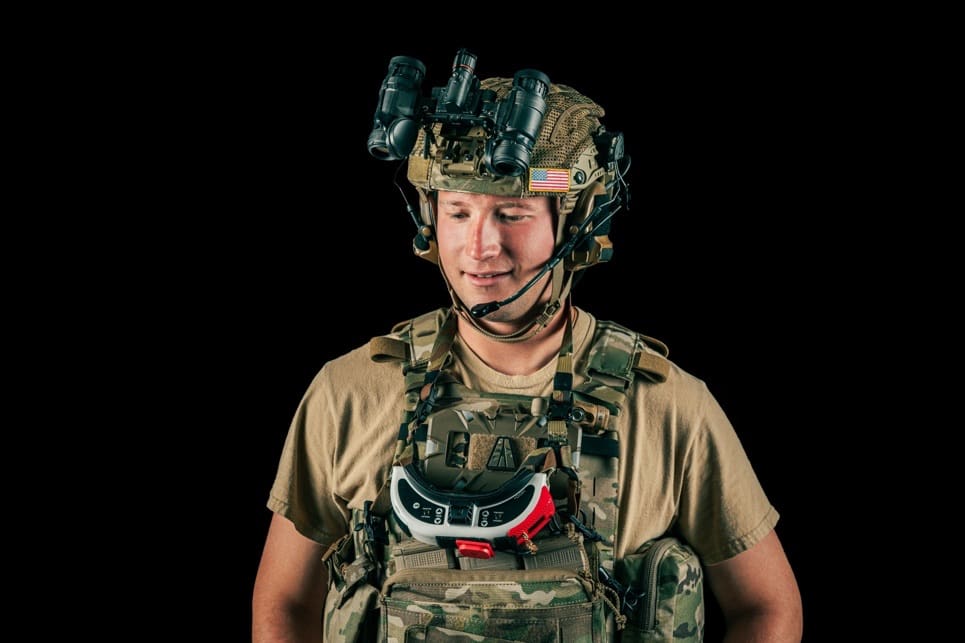
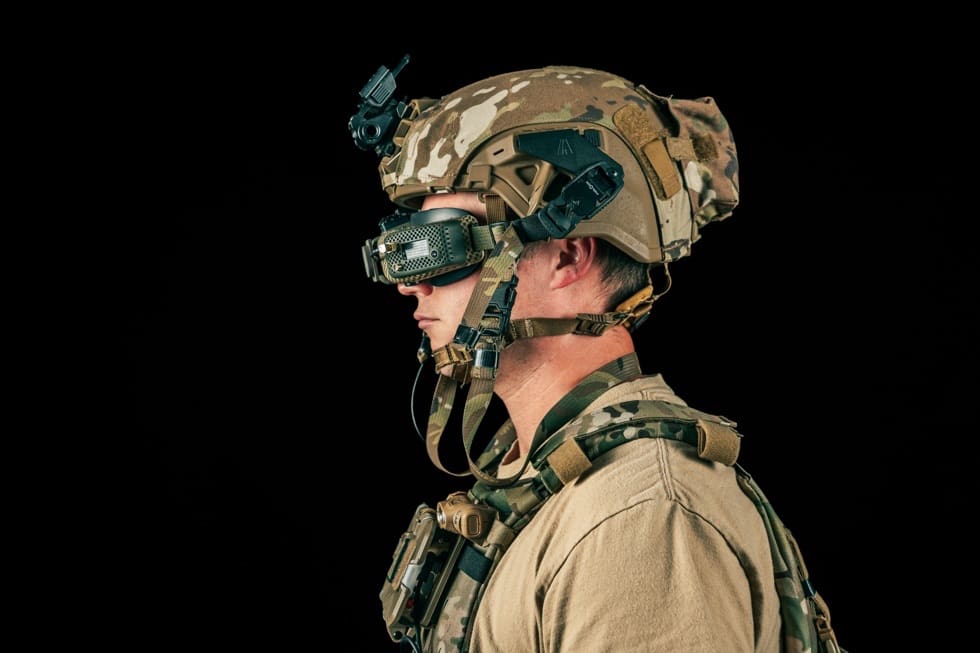
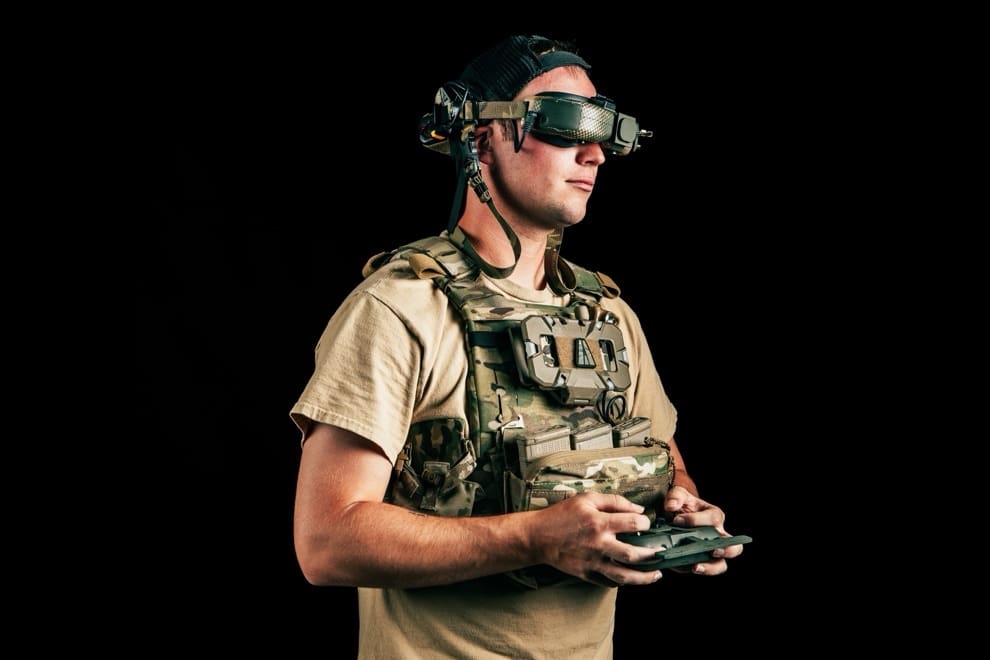
The United States Army has awarded Elbit Systems of America (Elbit America) an Other Transaction Authority (OTA) contract valued at $120.5 million to develop Soldier Borne Mission Command (SBMC). This creates a next-generation capability that redefines how Soldiers operate, connect, and dominate in complex, contested environments, built on Elbit America’s proven legacy of see-through-display and night vision expertise.
Elbit America’s SBMC isn’t an evolution in capability. It’s a revolution in Soldier lethality built for the speed and complexity of modern combat. SBMC fuses live multi-spectral sensors with assured positioning into an intuitive, head-borne experience. The result? Soldiers gain the prime advantage with continuous, mission-critical awareness without burden, distraction, or delay.
SBMC delivers total connectivity, sharing visual intelligence and threat data across the unit in real time. Squads become synchronized, sensor-enabled teams where every Soldier benefits from the collective insight of the force. SBMC delivers prime perception that drives clarity and dominance even in denied or degraded environments.
“SBMC changes the speed of decision-making and enables confident, decisive action in moments that define the fight.” said Erik Fox, Senior Vice President and General Manager of Warfighter Systems at Elbit America. “Thanks to our close collaboration with Booz Allen Hamilton we gain mission-critical information, instantly and intuitively, allowing Soldiers to think and react faster.”
Elbit America tapped advanced technology company Booz Allen (NYSE: BAH), the leading provider of AI to the federal government, to build SBMC’s critical software backbone, including advanced extended reality solutions, networking frameworks, and AI-enabled insights.
“Our Soldier Borne Mission Command is critical to winning on the battlefield. Soldiers need processed data distilled, so they’re more lethal and survivable. They need it at near zero latency and in a manner that enables them to shoot, maneuver, and share instantaneously,” said Luke Savoie, President and CEO of Elbit America. “For years, we’ve been the lead at sending data directly into the eye of the Warfighter, whether it’s through our Enhanced Night Vision Goggle – Binocular systems or the sensor fusion we do in the F-35 helmet. Enabling the Soldier to do more is one of our core competencies. We look forward to bringing game-changing innovation and decades of production program experience to this competition.”
As the U.S. Army enhances the capabilities of fielded systems, SBMC sets the foundation for human-machine teaming, autonomous integration, and cognitive warfare dominance. Elbit America is merging proven expertise with next-generation technologies to create SBMC: a capability that transforms awareness into action and ensures Soldiers move at the speed of instinct.
MORE: www.elbitamerica.com/night-vision
Both comments and pings are currently closed.
]]>